Seasonal changes and why they matter
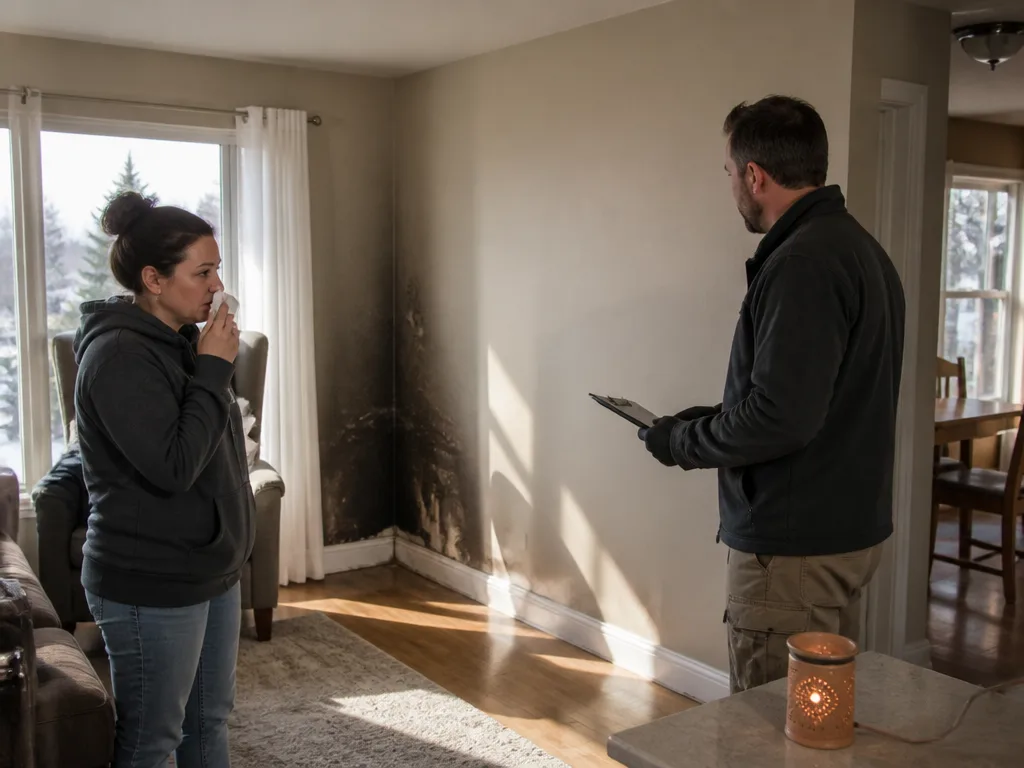
Minnesota sees dramatic seasonal changes that affect how odors and residues behave in a home. Humidity in the spring and fall can push moisture into porous materials, while dry winter air can settle dust more quickly. A statewide cleaning approach keeps up with these patterns rather than reacting after a problem shows up.
Ventilation practices shift with the seasons. In Minnesota, running range hoods or air exchangers during damp seasons reduces the chance odors linger. Our cleaning specialists consider climate-driven factors when planning a cleanup so you aren’t stuck dealing with the same issue twice.
Preventive steps you can take
Schedule seasonal cleanups with cleaning specialists to address fabrics, carpets, and upholstery before odor becomes noticeable. In Minnesota homes, fabric protection and occasional deodorization can help keep spaces fresh. A routine approach helps you maintain air quality and reduces the risk of recontamination from dust and soot that may have settled during a previous event.
Keep items that are prone to trapping odors to the fore. This includes curtains, cushions, and certain fabrics. A cleaning specialist can guide you on care routines and when to refresh or replace items that hold odors despite cleaning.
Practical Minnesota-specific tips
Set a reminder for a mid season check in for your home, especially before winter heating starts to run heavier. Have a plan for attic or basement spaces that may collect moisture. If you notice musty or smoky scents returning after a season change, call a cleaning specialist to reassess. Across Minnesota, crews coordinate schedules to fit with your seasonal needs and to keep disruptions to a minimum.
Our statewide team at Minnesota Structural Cleaning After Fire is ready to help with a preventive plan, built around the climate and needs of homes across Minnesota.